3 september 2018: Bronnen: zie studiereferenties en literatuurlijsten van arts-bioloog drs. Engelbert Valstar.
Het volledige studieverslag van onderstaand besproken studie:
The effect of menatetrenone, a vitamin K2 analog, on disease recurrence and survival in patients with hepatocellular carcinoma after curative treatment is inmiddels gratis in te zien.
Met opvallende resultaten op overall overleving t.o.v. placebo:
Voor de patiënten die menatetrenone (vitamine K-2) hadden gehad was de overleving 100% op 1 jaar, 96.6% op 2 jaar en 87.0% op 3 jaar; Ter vergelijking waren dit de overall overlevingscijfers voor de patiënten die een placebo hadden gehad: 96.4% op 1 jaar, 80.9%, op 2 jaar en 64.0% op 3 jaar. (P = 0.051).
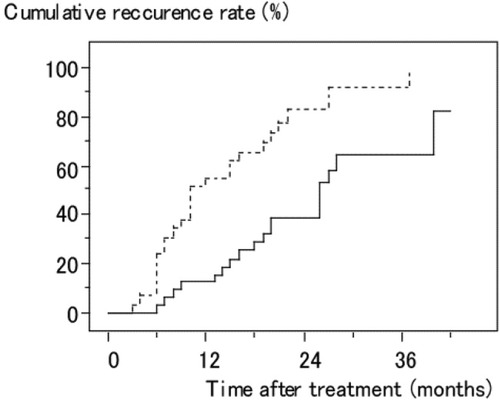
Ook de kans op een recidief was voor de menatetrenone (K-2) groep beter dan voor de placebogroep:
In het tijdschrift PlaceboNocebo beschrijft Hilda Maris ook wat vitamine K is en in combinatie met vitamine C kan betekenen.
Hier een werkingsmechanisme uit de studie: Vitamin K: Redox-modulation, prevention of mitochondrial dysfunction and anticancer effect waaruit Hilde Maris citeert. (zie onder afbeelding waar de tekst verder loopt).

Vitamine K is een vetoplosbare vitamine die vooral bekend is van haar rol in de bloedstolling. Vitamine K is ook nodig voor sterke botten, ze remt ontsteking, voorkomt atherosclerose en heeft een antikankerwerking.
Vitamine K is betrokken bij een proces dat oxidatie-reductie (redox) heet. Redox reacties vormen een belangrijk onderdeel van biochemische reacties. Oxidatie-reductie is de overdracht van elektronen van de ene naar de andere molecule. Bij oxidatie wordt een elektron weggenomen, bij reductie wordt een elektron toegevoegd. Een molecule die een elektron van een andere molecule wegneemt is een oxidant. Deze molecule wordt zelf gereduceerd in het proces. Een molecule die een elektron aan een andere molecule afgeeft is een reductor. Deze molecule wordt zelf geoxideerd in het proces.
Vitamine K wordt bijvoorbeeld geoxideerd tijdens de activatie van bloedstollingsfactoren of het regelen van het calciummetabolisme. Ze moet daarna opnieuw gereduceerd worden.
Vitamine K wordt gereduceerd of geregenereerd door vitamine C. Daarbij wordt vitamine C geoxideerd en weer gereduceerd door glutathion. De oxidatie-reductie cyclus van vitamine K en vitamine C zijn onderling verbonden en vormen een krachtig redoxsysteem dat de aanmaak van kankerceldodende zuurstofradicalen stimuleert, de aanmaak van energie in de cellen verhoogt, de werking van de mitochondriën verbetert en ervoor zorgt dat kankercellen weer zuurstof krijgen, zodat ze afsterven.
Een combinatie van vitamine C en vitamine K wordt beschouwd als een krachtig antikankerduo. Het heeft op zichzelf een antikankerwerking en het maakt kankercellen gevoeliger voor chemotherapie, zodat er minder chemo kan gebruikt worden en de bijwerkingen tot een minimum beperkt kunnen worden (Ivanova D, 2018).
Voedingsbronnen van vitamine K
Vitamine K1 zit vooral in groene bladgroenten en koolsoorten, zoals boerenkool, broccoli, bloemkool, spinazie, alfalfa, groene thee, algen, sla en peterselie.
Vitamine K2 zit vooral in gefermenteerde producten zoals yoghurt, kaas en natto (gefermenteerde sojabonen) en in mindere mate in eierdooiers, vis, gevogelte, lever en zuurkool.
Voedingsbronnen van vitamine C
Vitamine C zit vooral in groenten en fruit: acerola, citrusvruchten, aardbeien, frambozen, rode bessen, zwarte bessen, mango, papaja, guave, kiwi, mandarijn, groene bladgroenten, tomaten, waterkers, bloemkool, zoete aardappelen, paprika, Spaanse pepers, peterselie, knoflook, spruiten, broccoli, kool, rozenbottel en aloë vera
© Hilde Maris
(Artikel uit PlaceboNocebo 39)
Referentie
Ivanova D, Zhelev Z, Getsov P, et al. Vitamin K: Redox-modulation, prevention of mitochondrial dysfunction and anticancer effect. Redox Biol. 2018 Jun;16:352-358.
Referenties:
En er zijn meer studies die bewijzen dat Vitamine K-2 of K-3 een recidief kan verkomen bij operabele leverkanker.
1288) Sarin SK et al ; J Gastroenterol Hepatol 21:1478-82; 2006 : Vitamine K3 geeft bij vergevorderde primaire leverkanker significant meer regressies dan een placebo. PMID 16911696.
1338)Kakizaki S et al ; J Gastroenetrol Hepatol 22:518-22 ; 2007 : Na RFA - Radio Frequency Ablation of chirurgie wegens een primair levercarcinoom verbetert vitamine K2 de ziektevrije overleving. De overleving sec was met K2 niet aantoonbaar beter ; maar en dat zagen de onderzoekers over het hoofd een trendanalyse, welke gevoeliger is, liet wel een langere overleving zien ; PMID 17376044.
1356)Kakazaki S et al ; J Gastroenterol Hepatol 22(4):518-22 ; 2007 : Vitamine K2 vertraagt recidiveren leverkanker (mede)veroorzaakt door hepatitis C ; 17376044.
1956)Ishizuka M et al; Anticancer Res 2012 Dec;32(12): 5415-20; PMID 23225445 : vitamine K2 vertraagt op z’n minst de relaps-rate na operatie vanwege een HCC - primaire leverkanker. Zie ook 1338.
2237)Hotta N et al; Hepatogastroenterology 2007 Oct-Nov;54(79):2073-7 ;PMID 18251162 : Vitamne K2 liet een trend tot minder recidieven zien. Zie ook 1338, 1356 en 1456 : het belang van K2 bij het HCC - primaire leverkanker is duidelijk.
3488)Mizuta T et al; Cancer 2006 Feb 15;106(4):867-72; PMID 16400650; vitamine K2 vermindert recidiefkans primaire leverkanker - HCC en verlengt op z’n minst het leven.
15 oktober 2011: Onderaan heb ik het abstract van een recentere studie naar effect van menatetrenone ( vitamine K2) bij levertumoren geplaatst. Met zelfde positieve resultaten als uit onderstaande studie blijkt uit maart 2006.
22 maart 2006: Bron: SOURCE: Cancer 2006;106:867-872
Menatetrenone ( = analoog aan vitamine K2) vermindert bij operabele leverkanker de kans op een recidief significant met na 1 jaar 42,7 % en na drie jaar 27,3% en verbetert 3 jaars overleving met 23 %. Wij vertaalden voor u het volledige persbericht van Reuters over deze studie.
Menatetrenone verbetert significant behandelingen van leverkanker
NEW YORK MAT 16, 2006 (Reuters Health) - Voor patiënten die een curatieve - genezende behandeling hebben gekregen voor hun leverkanker (HCC) vermindert menatetrenone (een medicijn analoog aan vitamine K2) recidieven en verbetert significant de overleving, aldus tonen de resultaten uit een gerandomiseerde pilotstudie.
Menatetrenone is een analoog van vitamine K2, welke eerder aantoonde antiproliferatieve effecten te geven tegen leukemie en levercellijnen verklaren de auteurs.
Dr. Toshihiko Mizuta en collega's van de Saga Medical School, Japan, onderzochten de effecten van menatetrenone (analoog aan vitamine K2) op terugkeer van de ziekte en overleving bij 61 patiënten met HCC - primaire leverkanker, welke een operatie of percutane lokale ablatie therapie (TACE en/of RFA) hadden gehad.
Het vervolgens optredende recidief van HCC in de menatetrenone groep was 12.5% na 12 maanden, 39.0% na 24 maanden, en 64.3% na 36 maanden, vergeleken met 55.2%, 83.2%, en 91.6%, respectievelijk, in de placebo groep, aldus de auteurs.
De uiteindelijke overlevingscijfers waren ook beduidend hoger in de menatetrenone groep dan in de placebo groep (100% versus 96.4% na 12 maanden, 96.6% versus 80.9% na 24 maanden, en 87.0% versus 64% na 36 maanden), meldt het studieverslag.
Menatetrenone toediening werd niet geassocieerd met bijwerkingen, rapporteren de onderzoekers in de 15 februari editie van Cancer en geen enkele patiënt is met de studie gestopt tijdens de follow-up studie periode van mediaan 28,9 maanden Menatetrenone was effectief (profijtelijk) voor patiënten onafhankelijk van de basiswaarden van des-gamma-carboxy-prothrombin (een mogelijke marker van agressievere tumoren welke worden onderdrukt door toediening van vitamine K2), tonen de resultaten aan. "De resultaten van deze gerandomiseerde pilot studie wijst uit dat menatetrenone mogelijk het risico op een recidief van HCC - leverkanker vermindert na operatie of lokale ablatieve ingreep," concluderen de auteurs. "Het effect op overleving vergt wel nadere studies; Echter, al bij al, chemopreventie van een recidief van HCC - leverkanker door gebruik van menatetrenone - vit. K2 lijkt een beloftevolle optie".
SOURCE: Cancer 2006;106:867-872.
Menatetrenone Improves Hepatocellular Carcinoma Outcome
NEW YORK MAT 16, 2006 (Reuters Health) - For patients who have received curative treatment for hepatocellular carcinoma (HCC),menatetrenone reduces recurrences and improves survival, the results of a pilot study suggest.
Menatetrenone is an analog of vitamin K2, which has been shown to have antiproliferative effects against leukemia and hepatoma cell lines, the authors explain. Dr. Toshihiko Mizuta and colleagues from Saga Medical School, Japan, investigated the effects of menatetrenone on disease recurrence and survival in 61 patients with HCC after they underwent curative resection or percutaneous local ablation therapy.
The cumulative incidence of HCC recurrence in the menatetrenone group was 12.5% at 12 months, 39.0% at 24 months, and 64.3% at 36 months, the authors report, compared with 55.2%, 83.2%, and 91.6%, respectively, in the placebo group. Survival rates were also higher in the menatetrenone group than in the placebo group (100% versus 96.4% at 12 months, 96.6% versus 80.9% at 24 months, and 87.0% versus 64% at 36 months), the report indicates. Menatetrenone treatment was not associated with any adverse effects, the researchers report in the February 15th issue of Cancer, and no patient was withdrawn from the study during an average 28.9 months of follow-up. Menatetrenone was beneficial in patients regardless of the baseline level of des-gamma-carboxy-prothrombin (a possible marker of more aggressive tumors that is suppressed by vitamin K2 administration), the results indicate. "The results from this randomized, controlled, pilot study revealed that menatetrenone possibly may reduce the risk of HCC recurrence after curative surgical resection or local ablation therapy," the authors conclude. "The effect on survival warrants further research; however, overall, chemoprevention of secondary HCC using menatetrenone appears to be a promising option."
SOURCE: Cancer 2006;106:867-872.
Vitamin analogues in chemoprevention of hepatocellular carcinoma after resection or ablation--a systematic review and meta-analysis
Vitamin analogues in chemoprevention of hepatocellular carcinoma after resection or ablation--a systematic review and meta-analysis.
Source
Department of Oncology Comprehensive Treatment, Eastern Hepatobiliary Surgical Hospital, Second Military Medical University, 225 Changhai Road, Shanghai, China.
Abstract
OBJECTIVE:
While hepatic resection or local ablative therapy may provide a potentially curative treatment for hepatocellular carcinoma (HCC), more than half of these patients develop recurrent HCC within 5 years after treatment. Thus identification of any therapy which can decrease or delay the incidence of recurrence will improve the results of treatment. However, no chemopreventive agent has been approved for HCC.
METHODS:
A MEDLINE database, Embase, Cancerlit (National Cancer Institute), and CBM (Chinese Biomedical Database) search from 1990 to 2009 was performed to identify relevant articles using the keywords "hepatocellular carcinoma," "vitamin analogue," and "chemoprevention." Additional papers were identified by a manual search of the references from the key articles. The fixed effect model was used for a meta-analysis.
RESULTS:
Oral administration of acyclic retinoids (vitamin A analogue), and menatetrenone (vitamin K2 analogue) have been tested as chemopreventive agents after hepatic resection or local ablative therapy for HCC. There were one and four randomised, controlled trials (RCTs) which evaluated the efficacy of polyprenoic acid and menatetrenone, respectively. All studies were conducted in Japan. One RCT showed the preventive effect of polyprenoic acid in lowering the incidence of HCC recurrence after hepatic resection or percutaneous ethanol injection, and this effect lasted up to 199 weeks after randomization (or 151 weeks after completion of retinoid administration). Four RCTs evaluated the preventive efficacy of menatetrenone on HCC recurrence after hepatic resection or local ablative therapy. The results of three studies, as well as the meta-analysis of all four studies, showed significantly better tumour recurrence-free survival. The beneficial effect on the overall survival was less definite.
CONCLUSION:
There is evidence to suggest that chemopreventive therapy after partial hepatectomy or local ablative therapy is beneficial in prolonging disease-free survival, but the evidence is less for an effect on the overall survival. To confirm the beneficial role of vitamin A or K analogues in the chemoprevention of HCC further and larger randomised trials are now required.
Copyright © 2010 Asian Surgical Association. Published by Elsevier B.V. All rights reserved.
- PMID:
- 21163409
- [PubMed - indexed for MEDLINE]
Referentielijst : Vitamin K: Redox-modulation, prevention of mitochondrial dysfunction and anticancer effect
References
1.
Dam H., Schonheyder F. A deficiency disease in chicks resembling scurvy. Biochem. J. 1934;28:1355–1359. [PubMed]2.
Dam H. The antihaemorrhagic vitamin of the chick. Biochem. J. 1935;29:1273–1285. [PubMed]3.
Rannels S.R., Gallaher K.J., Wallin R., Rannels D.E. Vitamin K-dependent carboxylation of pulmonary surfactant-associated proteins. Proc. Natl. Acad. Sci. USA. 1987;84:5952–5956. [PubMed]4.
Furie B., Furie B.C. Molecular basis of vitamin K-dependent gamma-carboxylation. Blood. 1990;75:1753–1762. [PubMed]5.
Cranenburg E.C.M., Schurgers L.J., Vermeer C. Vitamin K: the coagulation vitamin that became omnipotent. Thromb. Haemost. 2007;98:120–125. [PubMed]6.
Kaneki M., Hosoi T., Ouchi Y., Orimo H. Pleiotropic actions of vitamin K: protector of bone health and beyond? Nutrition. 2006;22:845–852. [PubMed]7.
Berkner K.L., Runge K.W. The physiology of vitamin K nutriture and vitamin K-dependent protein function in atherosclerosis. J. Thromb. Haemost. 2004;2:2118–2132. [PubMed]8.
Sweatt A., Sane D.C., Hutson S.M., Wallin R. Matrix Gla protein (MGP) and bone morphogenetic protein-2 in aortic calcified lesions of aging rats. J. Thromb. Haemost. 2003;1:178–185. [PubMed]9.
Yokoyama T., Miyazawa K., Naito M., Toyotake J., Tauchi T., Itoh M., Yuo A., Hayashi Y., Georgescu M.M., Kondo Y., Kondo S., Ohyashiki K. Vitamin K2 induces autophagy and apoptosis simultaneously in leukemia cells. Autophagy. 2008;4:629–640. [PubMed]10.
Lamson D.W., Plaza S.M. The anticancer effects of vitamin K. Altern. Med. Rev. 2003;8:303–318. [PubMed]11.
Knapen M.H., Braam L.A., Teunissen K.J., Zwijsen R.M., Theuwissen E., Vermeer C. Yogurt drink fortified with menaquinone-7 improves vitamin K status in a healthy population. J. Nutr. Sci. 2015;4:e35. [PubMed]12.
Mahdinia E., Demirci A., Berenjian A. Optimization of Bacillus subtilis natto growth parameters in glycerol-based medium for vitamin K (menaquinone-7) production in biofilm reactors. Bioprocess. Biosyst. Eng. 2018;41:195–204. [PubMed]13.
Shearer M.J., Bach A., Kohlmeier M. Chemistry, nutritional sources, tissue distribution and metabolism of vitamin K with special reference to bone health. J. Nutr. 1996;126(Suppl 4):1182S–1186S. [PubMed]14.
Schurgers L.J., Vermeer C. Differential lipoprotein transport pathways of K-vitamins in healthy subjects. Biochem. Biophys. Acta. 2002;1570:27–32. [PubMed]15.
Thijssen H.H., Drittij-Reijnders M.J. Vitamin K status in human tissues: tissue-specific accumulation of phylloquinone and menaquinone-4. Br. J. Nutr. 1996;75:121–127. [PubMed]16.
Okano T., Shimomura Y., Yamane M., Suhara Y., Kamao M., Sugiura M., Nakagawa K. Conversion of phylloquinone (vitamin K1) into menaquinone-4 (vitamin K2) in mice: two possible routes for menaquinone-4 accumulation in cerebra of mice. J. Biol. Chem. 2008;283:11270–11279. [PubMed]17.
Sato T., Ohtani Y., Yamada Y., Saitoh S., Harada H. Difference in the metabolism of vitamin K between liver and bone in vitamin K-deficient rats. Br. J. Nutr. 2002;87:307–314. [PubMed]18.
Losito R., Owen C.A., Jr, Flock E.V. Metabolism of [14C]Menadione. Biochemistry. 1967;6:62–68. [PubMed]19.
Thor H., Smith M.T., Hartzell P., Bellomo G., Jwell S.A., Orrenius S. The metabolism of menadione (2-methyl-1,4-naphthoquinone) by isolated hepatocytes. A study of the implications of oxidative stress in intact cells. J. Biol. Chem. 1982;257:12419–12425. [PubMed]20.
Chung J.-H., Seo D.-C., Chung S.-H., Lee J.-Y., Seung S.-A. Metabolism and cytotoxicity of menadione and its metabolite in rat platelets. Toxicol. Appl. Pharmacol. 1997;142:378–385. [PubMed]21.
Stafford D.W. The vitamin K cycle. J. Thromb. Haemost. 2005;3:1873–1878. [PubMed]22.
Tie J.K., Stafford D.W. Functional study of the vitamin K cycle enzymes in live cells. Methods Enzymol. 2017;584:349–394. [PubMed]23.
Atkins G.J., Welldon K.J., Wijenayaka A.R., Bonewald L.F., Findlay D.M. Vitamin K promotes mineralization, _osteoblast-to-ostecyte transition, and an anticatabolic phenotype by γ-carboxylation-dependent and -independent mechanisms. Am. J. Physiol. Cell Physiol. 2009;297:C1358–C1367. [PubMed]24.
Gundberd C.M., Lian J.B., Booth S.L. Vitamin K-dependent carboxylation of osteocalcin: friend or foe? Adv. Nutr. 2012;3:149–157. [PubMed]25.
Ferron M., Lacombe J. Regulation of energy metabolism by skeleton: osteocalcin and beyond. Arch. Biochem. Biophys. 2014;561:137–146. [PubMed]26.
Mizuguchi M., Fujisawa R., Nara M., Nitta K., Kawano K. Fourier-transform infrared spectroscopic study of Ca2+-binding to osteocalcin. Calcif. Tissue Int. 2001;69:337–342. [PubMed]27.
Falcone T.D., Kim S.W., Cortazzo M.H. Vitamin K: fracture prevention and beyond. PM&R. 2011;3:S82–S87. [PubMed]28.
Koshihara Y., Hoshi K., Okawara R., Ishibashi H., Yamamoto S. Vitamin K stimulates osteoblastogenesis and inhibits osteoclastogenesis in human bone marrow cell culture. J. Endocrinol. 2003;176:339–348. [PubMed]29.
Theuwissen E., Smit E., Vermeer C. The role of vitamin K in soft-tissue calcification. Adv. Nutr. 2012;3:166–173. [PubMed]30.
Danzieger J. Vitamin K-dependent proteins, warfarin, and vascular calcification. Clin. J. Am. Soc. Nephrol. 2008;3:1504–1510. [PubMed]31.
Demer L.L., Tintut Y. Inflammatory, metabolic and genetic mechanisms of vascular calcification. Arterioscler. Thromb. Vasc. Biol. 2014;34:715–723. [PubMed]32.
Ueland T., Dahl C.P., Gullestad L., Aakhus S., Broch K., Skardal R., Vermeer C., Aukrust P., Schurgers L.J. Circulating levels of non-phosphorylated undercarboxylated matrix Gla protein are associated with disease severity in patients with chronic heart failure. Clin. Sci. (Lond.) 2011;121:119–127. [PubMed]33.
Luo G., Ducy P., McKee M.D., Pinero G.J., Behringer R.R., Karsenty G. Spontaneous calcification of arteries and cartilage in mice lacking matrix GLA protein. Nature. 1997;386:78–81. [PubMed]34.
Becker R.C. Warfarin-induced vasculopathy. J. Thromb. Thrombolysis. 2007;23:79–81. [PubMed]35.
Nadra I., Mason J.C., Philippidis P., Florey O., Smythe C.D.W., McCarthy G.M., Landis R.C., Haskard D.O. Proinflammatory activation of macrophages by basic calcium phosphate crystals via protein kinase C and MAP kinase pathways: a vicious cycle of inflammation and arterial calcification? Circ. Res. 2005;96:1248–1256. [PubMed]36.
Tintut Y., Patel J., Territo M., Saini T., Parhami F., Demer L.L. Monocyte/macrophage regulation of vascular calcification in vitro. Circulation. 2002;105:650–655. [PubMed]37.
McCabe K.M., Booth S.L., Fu X., Shobeiri N., Pang J.J., Adams M.A., Holden R.M. Dietary vitamin K and therapeutic warfarin alter the susceptibility to vascular calcification in experimental chronic kidney disease. Kidney Int. 2013;83:835–844. [PubMed]38.
Kruger T., Oelenberg S., Kaesler N., Schurgers L.J., Van De Sandt A.M., Boor P., Schlieper G., Branderburg V.M., Fekete B.C., Veulemans V., Ketteler M., Vermeer C., Jahnen-Dechent W., Floege J., Westenfeld R. Warfarin induces cardiovascular damage in mice. Arterioscler. Thromb. Vasc. Biol. 2013;33:2618–2624. [PubMed]39.
Dasari S., Ali S.M., Zheng G., Chen A., Dontaraju V.S., Bosland M.C., Kajdacsy-Balla A., Munirathinam G. Vitamin K and its analogs: potential avenues for prostate cancer management. Oncotarget. 2017;8:57782–57799. [PubMed]40.
Davis-Yadley A.H., Malafa M.P. Vitamins in pancreatic cancer: a review of underlying mechanisms and future applications. Adv. Nutr. 2015;6:774–802. [PubMed]41.
Gant T.W., Rao D.N., Mason R.P., Cohen G.M. Redox cycling and sulfhydryl arylation; their relative importance in the mechanism of quinone cytotoxicity to isolated hepatocytes. Chem. Biol. Interact. 1988;65:157–173. [PubMed]42.
Chen G., Wang F., Trachootham D., Huang P. Preferential killing of cancer cells with mitochondrial dysfunction by natural compounds. Mitochondrion. 2010;10:614–625. [PubMed]43.
Trachootham D., Alexandre J., Huang P. Targeting cancer cells by ROS-mediating mechanisms: a radical therapeutic approach? Nat. Rev. Drug Discov. 2009;8:579–591. [PubMed]44.
Pervaiz S., Clement M.V. Superoxide anion: oncogenic reaction oxygen species? Int. J. Biochem. Cell Biol. 2007;39:1297–12304. [PubMed]45.
Lennicke C., Rahn J., Lichtenfels R., Wessjohann L.A., Seliger B. Hydrogen peroxide – production, fate and role in redox signaling of tumor cells. Cell Commun. Signal. 2015;13:39. [PubMed]46.
Ivanova D., Bakalova R., Lazarova D., Gadjeva V., Zhelev Z. The impact of reactive oxygen species on anticancer therapeutic strategies. Adv. Clin. Exp. Med. 2013;22:899–908. [PubMed]47.
Fulda S., Galluzzi L., Kroemer G. Targeting mitochondria for cancer therapy. Nat. Rev. Drug Discov. 2010;9:447–464. [PubMed]48.
Trachootham D., Lu W., Ogasawara M.A., Velle N.R., Huang P. Redox regulation of cell survival. Antioxid. Redox Signal. 2008;10:1343–1374. [PubMed]49. Chen R., Pignatello J.J. Role of quinine intermediates as electron shuttles in Fenton and photoassisted Fenton oxidations of aromatic compounds. Environ. Sci. Technol. 1997;31:2399–2406.
50.
Nutter L.M., Ngo E.O., Fisher G.R., Gutierrez P.L. DNA strand scission and free radical production in menadione-treated cells. Correlation with cytotoxicity and role of NADPH quinone acceptor oxidoreductase. J. Biol. Chem. 1992;267:2474–2479. [PubMed]51.
D`Odorico C., Novotny L., Vachalkova A.: Quinone-induced DNA single strand breaks in a human colon carcinoma cell line. Carcinogenesis. 1997;18:43–46. [PubMed]52.
Sun J.S., Tsuang Y.H., Huang W.C., Chen T.L., Hang Y.S., Lu E.J. Menadione-induced cytotoxicity to rat osteoblasts. Cell Mol. Life Sci. 1997;53:967–976. [PubMed]53.
Chiou T.J., Tzeng W.F. The roles of glutathione and antioxidant enzymes in menadione-induced oxidative stress. Toxicology. 2000;154:75–84. [PubMed]54.
Loop G., Kondapalli J., Schriewer J.M., Chandel N.S., Vanden Hoek T.L., Schumacker P.T. Menadione triggers cell death through ROS-dependent mechanisms involving PARP activation without requiring apoptosis. Free Radic. Biol. Med. 2010;49:1925–1936. [PubMed]55.
Calderaro M., Martins E.A.L. Oxidative stress by menadione affects cellular copper and iron homeostasis. Mol. Cell Biochem. 1993;126:17–23. [PubMed]56.
Di Monte D., Bellomo G., Thor H., Nicotera P., Orrenius S. Menadione-induced cytotoxicity is associated with protein thiol oxidation and alteration in intracellular Ca2+ homeostasis. Arch. Biochem. Biophys. 1984;235:343–350. [PubMed]57.
Wu F.Y., Chang N.T., Chen W.J., Juan C.C. Vitamin K3-induced cell cycle arrest and apoptotic cell death are accompanied by altered expression of c-fos and c-myc in nasopharyngeal carcinoma cells. Oncogene. 1993;8:2237–2244. [PubMed]58.
Caricchio R., Kovalenko D., Kaufmann W.K., Cohen P.L. Apoptosis provoked by the oxidative stress inducer menadione (vitamin K3) is mediated by the Fas/Fas ligand system. Clin. Immunol. 1999;93:65–74. [PubMed]59.
Jones B.E., Lo C.R., Liu H., Pradhan Z., Garcia L., Srinivasan A., Valentino K.L., Czaja M.J. Role of caspases and NF-kB signaling in hydrogen peroxide- and superoxide-induced hepatocyte apoptosis. Am. J. Physiol. Gastrointest. Liver Physiol. 2000;278:G693–G699. [PubMed]60.
Laux I., Nel A. Evidence that oxidative stress-induced apoptosis by menadione involves Fas-dependent and Fas-independent pathways. Clin. Immunol. 2001;101:335–344. [PubMed]61.
Ma X., Du J., Nakashima I., Nagase F. Menadione biphasically controls JNK-linked cell death in leukemia Jurkat T cells. Antioxid. Redox Signal. 2002;4:371–378. [PubMed]62.
Bouzahzah B., Nishikawa Y., Simon D., Carr B.I. Growth control and gene expression in a new hepatocellular carcinoma cell line, Hep40: inhibitory actions of vitamin K. J. Cell Physiol. 1995;165:459–467. [PubMed]63.
Osada S., Saji S., Osada K. Critical role of extracellular signal-regulated kinase phosphorylation on menadione (vitamin K3) induced growth inhibition. Cancer. 2001;91:1156–1165. [PubMed]64.
Checker R., Sharma D., Sandur S.K., Khan N.M., Patwardhan R.S., Kohli V., Sainis K.B. Vitamin K3 suppressed inflammatory and immune responses in a redox-dependent manner. Free Radic. Res. 2011;45:975–985. [PubMed]65.
Wu J., Chien C.C., Yang L.Y., Huang G.C., Cheng M.C., Lin C.T., Shen S.C., Chen Y.C. Vitamin K3-2,3-epoxide induction of apoptosis with activation of ROS-dependent ERK and JNK protein phosphorylation in human glioma cells. Chem. Biol. Interact. 2011;193:3–11. [PubMed]66.
Perez-Soler R., Zou Y., Li T., Ling Y.H. The phosphatases inhibitor menadione (vitamin K3) protects cells from EGFR inhibition by erlotinib and cetuximab. Clin. Cancer Res. 2011;17:6766–6777. [PubMed]67.
Hitomi M., Yokoyama F., Kita Y., Nonomura T., Masaki T., Yoshiji H., Inoue H., Kinekawa F., Kurokohchi K., Uchida N., Watanabe S., Kuriyama S. Antitumor effects of vitamins K1, K2 and K3 on hepatocellular carcinoma in vitro and in vivo. Int. J. Oncol. 2005;26:713–720. [PubMed]68.
Lee M.H., Cho Y., Kim D.H., Woo H.J., Yang J.Y., Kwon H.J., Yeon M.J., Park M., Kim S.H., Moon C., Tharmalingam N., Kim T.U., Kim J.B. Menadione induces G2/M arrest in gastric cancer cells by down-regulation of CDC25C and proteasome mediated degradation of CDK1 and cyclin B1. Am. J. Transl. Res. 2016;8:5246–5255. [PubMed]69.
Zenmyo M., Komiya S., Hamada T., Hiraoka K., Kato S., Fujii T., Yano H., Irie K., Nagata K. Transcriptional activation of p21 by vitamin D3 or vitamin K2 leads to differentiation of p53-deficient MG-63 osteosarcoma cells. Hum. Pathol. 2001;32:410–416. [PubMed]70.
Degen M., Alexander B., Choudhury M., Eshghi M., Konno S. Alternative therapeutic approach to renal-cell carcinoma: induction of apoptosis with combination of vitamin K3 and D-fraction. J. Endourol. 2013;27:1499–1503. [PubMed]71.
Zhang W., Negoro T., Satoh K., Jiang Y., Hashimoto K., Kikuchi H., Nishikawa H., Miyata T., Yamamoto Y., Nakano K., Yasumoto E., Nakayachi T., Mineno K., Satoh T., Sakagami H. Synergistic cytotoxic action of vitamin C and vitamin K3. Anticancer Res. 2001;21:3439–3444. [PubMed]72.
Calderon P., Cadrobbi J., Marques C., Hong-Ngoc N., Jamison J.M., Gilloteaux J., Summers J.L., Taper H.S. Potential therapeutic application of the association of vitamins C and K3 in cancer treatment. Curr. Med. Chem. 2002;9:2271–2285. [PubMed]73.
Verrax J., Cadrobbi J., Marques C., Taper H., Habraken Y., Piette J., Calderon P.B. Ascorbate potentiates the cytotoxicity of menadione leading to an oxidative stress that kills cancer cells by a non-apoptotic caspase-3 independent form of cell death. Apoptosis. 2004;9:223–233. [PubMed]74.
Bonilla-Porras A.R., Del-Rio M.J., Velez-Pardo C. Vitamin K3 and vitamin C alone or in combination induced apoptosis in leukemia cells by a similar oxidative stress signaling mechanism. Cancer Cell Intern. 2011;1011:1–11. [PMC free article] [PubMed]75. McGuire K., Jamison J., Gilloteaux J., Summers J.L. Vitamin C and K3 combination causes enhanced anticancer activity against RT-4 bladder cancer cells. J. Cancer Sci. Ther. 2013;5:325–333.
76.
Tomasetti M., Nocchi L., Neuzil J., Goodwin J., Nguyen M., Dong L., Manzella N., Staffolani S., Milanese C., Garrone B., Aleva R., Borghi B., Santarelli L., Guerrieri R. Alpha-tocopheryl succinate inhibits autophagic survival of prostate cancer cells induced by vitamin K3 and ascorbate to trigger cell death. PLoS One. 2012;7:e52263. [PubMed]77.
Vita M.F., Nagachar N., Avramidis D., Delwar Z.M., Cruz M.H., Siden A., Paulsson K.M., Yakisich J.S. Painkiller effect of prolonged exposure to menadione on glioma cells: potentiation by vitamin C. Investig. New Drugs. 2011;29:1314–1320. [PubMed]78.
Ivanova D., Zhelev Z., Lazarova D., Getsov P., Bakalova R., Aoki I. Vitamins C and K3: a powerful redox system for sensitizing leukemia lymphocytes to everolimus and barasertib. Anticancer Res. 2018;38:1407–1414. [PubMed]79.
Vander Heiden M.G., Cantley L.C., Thompson C.B. Understanding the Warburg effect: the metabolic requirements of cell proliferation. Science. 2009;324:1029–1033. [PubMed]80.
Rani R., Kumar V. Recent update on human lactate dehydrogenase enzyme 5 (hLDH5) inhibitors: a promising approach for cancer chemotherapy. J. Med. Chem. 2016;59:487–496. [PubMed]81.
Di Stefano G., Manerba M., Di Ianni L., Fiume L. Lactate dehydrogenase inhibition: exploring possible applications beyond cancer treatment. Future Med. Chem. 2016;8:713–725. [PubMed]82.
Manerba M., Di Ianni L., Govoni M., Roberti M., Recanatini M., Di Stefano G. Lactate dehydrogenase inhibitors can reverse inflammation induced changes in colon cancer cells. Eur. J. Pharm. Sci. 2017;96:37–44. [PubMed]83.
Eleff S., Kennaway N.G., Buist N.R., Darley-Usmar V.M., Capaldi R.A., Bank W.J., Chance B. 31P NMR study of improvement in oxidative phosphorylation by vitamins K3 and C in a patient with a defect in electron transport at complex III in skeletal muscle. Proc. Natl. Acad. Sci. USA. 1984;81:3529–3533. [PubMed]84.
McCord J.M., Fridovich I. The utility of superoxide dismutase in studying free radical reactions. II. The mechanism of the mediation of cytochrome c reduction by a variety of electron carriers. J. Biol. Chem. 1970;245:1374–1377. [PubMed]85.
Matsui T., Kitagawa Y., Okumura M., Shigeta Y. Accurate standard hydrogen electrode potential and application to the redox potentials of vitamin C and NAD/NADH. J. Phys. Chem. A. 2015;119:369–376. [PubMed]86. Tur`yan Y.I., Kohen R. Formal redox potentials of the dehydro-L-ascorbic acid/L-ascorbic acid system. J. Electroanal. Chem. 1995;380:273–277.
87.
Wagner G.C., Kassner R.J., Kamen M.D. Redox potentials of certain vitamin K: implications for a role in sulfite reduction by obligatively anaerobic bacteria. Proc. Natl. Acad. Sci. USA. 1974;71:253–256. [PubMed]88.
May J.M., Qu Z.-C., Li X. Ascorbic acid blunts oxidant stress due to menadione in endothelial cells. Arch. Biochem. Biophys. 2003;411:136–144. [PubMed]89.
KC S., Cárcamo J.M., Golde D.W.: Vitamin C enters mitochondria via facilitative glucose transporter 1 (Glut1) and confers mitochondrial protection against oxidative injury. FASEB J. 2005;19:1657–1667. [PubMed]90. McGuire K., Jamison J.M., Gilloteaux J., Summers J.L. Synergistic antitumor activity of vitamins C and K3 on human bladder cancer cell lines. J. Cancer Ther. 2013;4:7–19.
91.
Bonuccelli G., De Francesco E.M., de Boer R., Tanowitz H.B., Lisanti M.P. NADH autofluorescence, a new metabolic biomarker for cancer stem cells: identification of vitamin C and CAPE as natural products targeting “stemness” Oncotarget. 2017;8:20667–20678. [PubMed]92.
Beck R., Verrax J., Dejeans N., Taper H., Calderon P.B. Menadione reduction by pharmacological doses of ascorbate indices an oxidative stress that kills breast cancer cells. Int. J. Toxicol. 2009;28:33–42. [PubMed]93.
Silvera-Dorta G., Monzon D.M., Crisostomo F.P., Martin T., Martin V.S., Carrillo R. Oxidation with air by ascorbate-driven quinone redox cycling. Chem. Commun. (Camb.) 2015;51:7027–7030. [PubMed]
Articles from Redox Biology are provided here courtesy of Elsevier
recidief, primaire leverkanker, vitamine A, menatetrenone, vitamine K2
Gerelateerde artikelen
- Studiepublicaties van voeding, voedingstoffen, niet-toxische middelen en behandelingen uit literatuurlijst van arts-bioloog drs. Engelbert Valstar, specifiek bij leverkanker en leveruitzaaiingen
- Aerobics oefeningen gedurende 12 weken verminderen vorming van fibrose en leververvetting bij patiënten met metabole geassocieerde leververvetting (MAFLD) en verbeteren cardiovasculaire conditie
- Ambovex, een plantenderivaat met immuunstimulerende eigenschappen geeft uitstekende resultaten bij patienten met primaire leverkanker door vermindering en verdwijning van de levertumoren binnen 6 maanden
- Arabinoxylaan (MGN-3) verbetert significant 2 jaars overleving (35% vs 6,7%) en langere ziektevrije tijd (15 procent) bij lokale chemospoelingen met respectievelijk ethanol en olie bij operabele primaire leverkanker
- Arsenic trioxide intraveneus in combinatie met TACE geeft veel betere resultaten voor in longen uitgezaaide gevorderde primaire leverkanker dan TACE alleen
- BCAA, een reeks van bepaalde aminozuren gegeven aan patiënten die een leveroperatie of leverperfusie ondergingen, verkort significant de ligduur in het ziekenhuis en vermindert significant complicaties, zoals infecties
- Cannabis: UMCG Groningen gaat onderzoek doen naar effecten van wietolie - cannabis na twee genezen leverkankerpatienten copy 1
- Hoge inname van plantaardige of meervoudig onverzadigde vetten gaat gepaard met verminderd risico op primaire leverkanker - HCC
- Hyperthermie samen met TACE - Trans Arteriele Chemo Embolisatie en/of PEI (Ethanol injecties) geeft significant beter effect op overall overleving en ziektevrije tijd bij patienten met primaire leverkanker aldus een gerandomiseerde studie bij 65 patienten
- Koffie kan voor 50% risico op primaire leverkanker voorkomen, aldus twee langjarige prospectieve studies onder ca. 65.000 mensen
- Leefstijl gewoontes zoals roken, te veel en vet eten, alcohol en hepatitus B en C zijn samen voor ca. 65 procent verantwoordelijk voor primaire leverkanker.
- Leverreiniging door o.a. klisma: Het nut van leverreiniging.
- Medicinale paddestoelen: Negenjarige studie bewijst dat functionele voedingssuppletie AHCC, een mix van medicinale paddestoelen - PSK, de kans op een recidief bij leverkanker drastisch vermindert en de overlevingskans sterk vergroot
- Menatetrenone (vitamine K2) vermindert bij operabele leverkanker de kans op een recidief significant - 42,7 % na 1 jaar en 27,3% na 3 jaar ) en verbetert 3 jaars overleving met 23 %. Nieuwe meta analyse bevestigt resultaten
- Synbiotica - meerdere soorten probiotica - vermindert significant (12 tot 30 procent) kans op ernstige ontstekingen bij operatie van primaire levertumoren.
- Traditionele Chinese Kruiden - TCM voorkomen veel beter een recidief van levertumoren en geeft 45 procent betere overall overleving dan Trans Arteriele Chemo Embolisatie (TACE) copy 1
- Aanvullende - complementaire - niet toxische behandelingen en middelen bij primaire leverkanker: een overzicht




Plaats een reactie ...
Reageer op "Menatetrenone (vitamine K2) vermindert bij operabele leverkanker de kans op een recidief significant - 42,7 % na 1 jaar en 27,3% na 3 jaar ) en verbetert 3 jaars overleving met 23 %. Nieuwe meta analyse bevestigt resultaten"